Chicken Run Ideas Using Recycled Materials
Highlighted under: Spring Seasonal Food Ideas
I love creating sustainable spaces for my chickens, and using recycled materials has been a game changer in my chicken run projects. It not only saves money but also reduces waste, giving me a sense of fulfillment. From old pallets to metal scraps, I've learned to see the potential in what would usually be discarded. In this guide, I’ll share some innovative ideas that transformed my chicken run into a fun and functional environment, all while being environmentally friendly. Let’s cluck about how we can build a thriving space for our feathered friends!
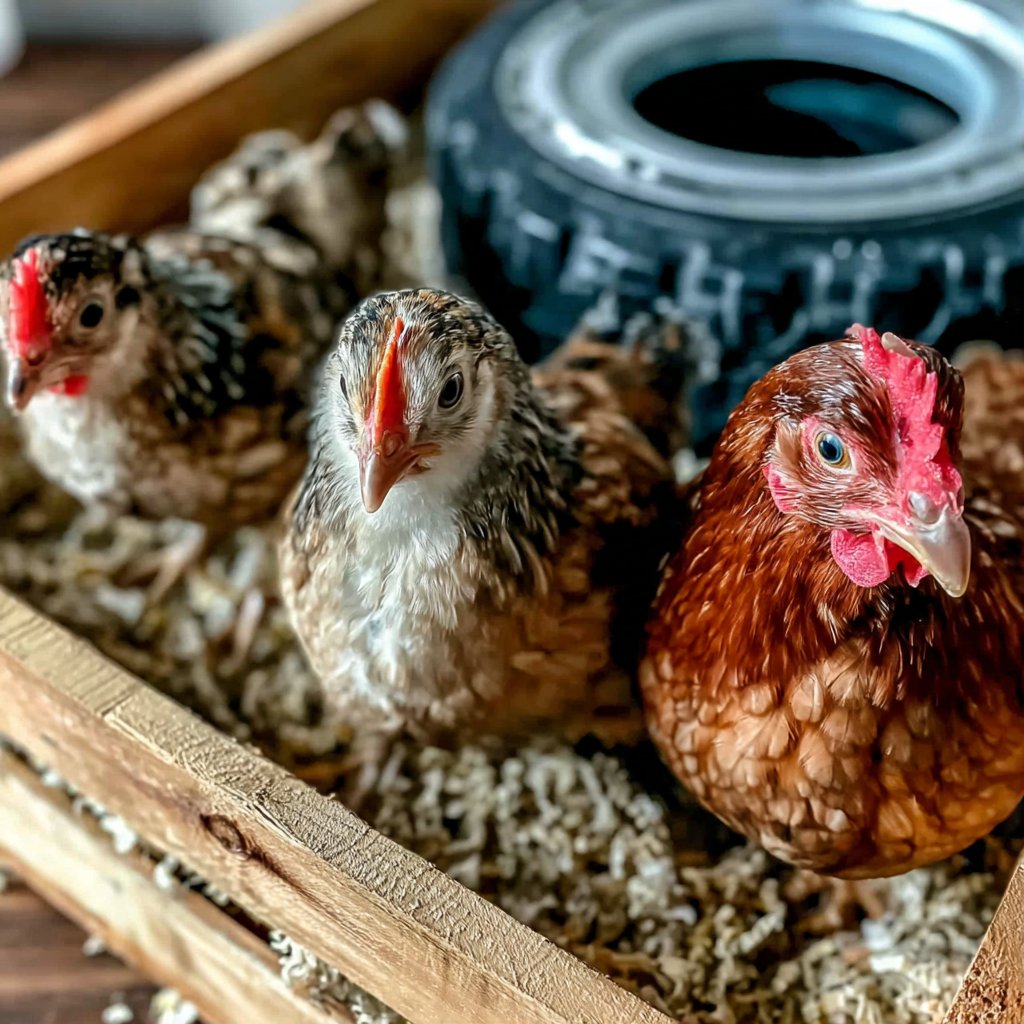
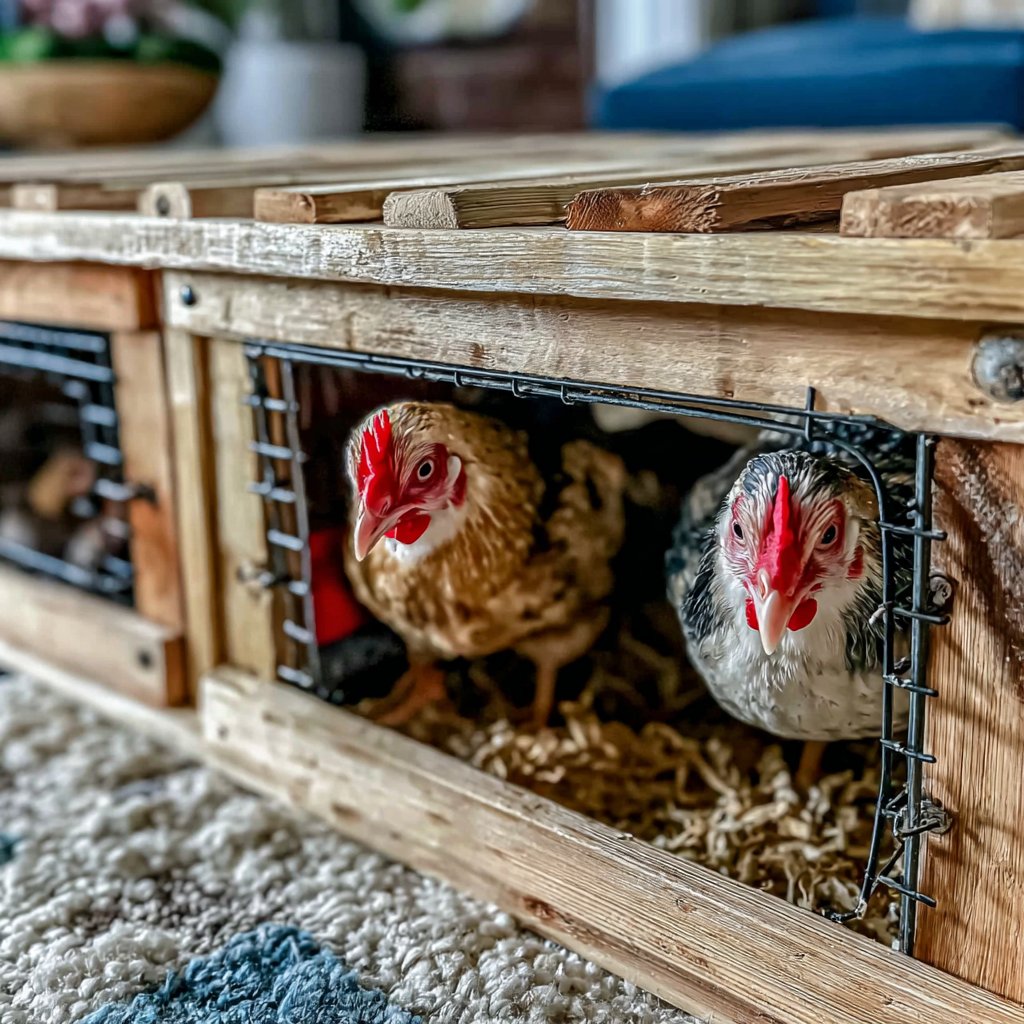
As I embarked on a journey to create the ultimate chicken run, I discovered that some of the best structures were born from the scraps lying around my yard. One memorable project involved transforming an old wooden pallet into a rustic perch for my hens. The beauty was not just in the savings but in the character each piece added to the run. I learned that reusing materials not only helped the environment but also resulted in an incredibly unique space.
I've experimented with various materials like old wire fencing, discarded tires, and cinder blocks. Each item brought its own charm and utility, allowing my chickens to explore and play. Creating a haven for them out of what would have been waste felt rewarding. So, let’s dive into the specifics of how you can build your chicken run using recycled materials!
Why You'll Love These Ideas
- Transform waste into a cozy home for your chickens
- Save money while creating a unique and playful environment
- Encourage creativity in your backyard chicken farming
Understanding Recycled Materials
Using recycled materials not only benefits the environment but also provides a unique aesthetic to your chicken run. Each material carries its own character and story. For example, old wooden pallets can serve as both walls and nesting boxes, while used tires can become playful obstacles. When selecting materials, prioritize those that are sturdy and safe for your chickens, ensuring there's no risk of harmful chemicals. A little creativity can turn what many see as waste into a vibrant haven for your birds.
The choice of materials impacts the overall durability and security of your chicken run. While metal fencing scraps provide a robust barrier against predators, cinder blocks can serve as strong structural supports. This mix of materials allows you to customize the run to fit your backyard while also ensuring the safety and comfort of your chickens. As you gather your supplies, inspect each item for damages or sharp edges that could pose risks; safety should always come first.
Designing for Functionality
When planning the layout of your chicken run, consider how your chickens will interact with their environment. Allocate sufficient roaming space—ideally 10 square feet per chicken—while integrating shelters where they can escape the sun or rain. The layout should allow for natural behaviors like dust bathing, foraging, and perching, which are essential for their health and happiness. I often sketch out my ideas to visualize how the different elements will come together before I start building.
In addition to providing ample space, think about airflow and sunlight. Proper ventilation is crucial to avoid harmful humidity and ammonia buildup from manure. Position your structures in a way that maximizes natural light while providing shaded areas. Planting chicken-safe herbs around the perimeter can also enhance their living area, as they enjoy foraging on fresh greenery. This thoughtful design contributes to a thriving chicken run that supports both the physical and emotional well-being of your flock.
Tips for Building Robust Structures
As you build the frame of the chicken run, use weather-resistant screws or nails to avoid rust and decay over time. It's also helpful to use a level during construction to ensure everything is even, preventing any potential collapse. If working with pallets, be sure to sand down any rough edges to protect your chickens' delicate feet. The structure should feel solid; if you notice any wobbling, reinforce the joints with additional bracing.
While adding fencing, ensure it’s buried at least a foot deep to thwart digging predators. Consider reinforcing the corners with extra panels, as these areas experience the most stress. During installation, stretch the fencing tightly to minimize gaps where small predators could sneak in. Regularly check the integrity of the fencing and structure; maintenance is key to keeping your chickens safe and happy in their environment.
Ingredients
Here are some materials you can gather for your chicken run:
Recycled Materials
- Old wooden pallets
- Used tires
- Metal fencing scraps
- Cinder blocks
- Plastic containers
With these materials, you’re ready to start constructing your chicken run!
Instructions
Follow these simple steps to construct your chicken run:
Gather Your Materials
Collect all the recycled items you plan to use and ensure they’re clean and safe for your chickens.
Plan Your Layout
Outline the structure of your chicken run, considering space for the chickens to roam and areas for shelter.
Build the Frame
Using wooden pallets, create the frame of the run. Secure all parts tightly to ensure safety.
Add Fencing
Use the metal fencing or wire to enclose the run, making sure the chickens cannot escape or be harmed by predators.
Create Shelters
Use tires and containers to create hiding spots and perches within the run for the chickens to explore and relax.
Finishing Touches
Personalize the run with decorations or additional features like a dust bath using dirt and sand for grooming.
Your chicken run is now complete and ready for your feathered friends!
Pro Tips
- Always check the materials for sharp edges and other hazards before allowing your chickens to explore their new space.
Maintenance and Upkeep
Regular maintenance is critical to keep your chicken run in top shape. Inspect the features you’ve built, such as hiding spots and perches, for signs of wear and damage. Replace any deteriorating parts promptly to prevent injuries. It's also essential to clean the run frequently to manage waste and avoid unpleasant odors. I personally use a mix of water and vinegar for a natural cleaning solution that keeps things fresh without harsh chemicals.
Additionally, consider rotating elements within the run, like moving tires or rearranging perches, to provide fresh stimulation for your chickens. Changing the layout periodically can keep them entertained and engaged, which is vital for their mental health. This little effort can prevent boredom and promote more natural behaviors, leading to a healthier flock overall.
Seasonal Adjustments
As seasons change, your chicken run may require modifications to keep your chickens comfortable. In winter, ensure there are insulated areas for your chickens to escape the cold. You can also add straw or pine shavings for extra warmth and bedding. Proper insulation not only protects them from harsh weather but also minimizes the risk of frostbite on their combs and wattles.
In summer, providing shade is essential. Consider using fabric tarps draped over structures or natural shade from nearby trees. Alongside this, ensure there's a consistent water supply, as hydration is crucial during hot months. Sprinklers or shallow pools can provide your chickens with relief from the heat while allowing them to play, cool down, and stay hydrated.
Questions About Recipes
→ What are some specific recycled materials I can use?
You can use pallets, tires, metal scraps, cinder blocks, and even old plastic containers.
→ How do I ensure the safety of my chickens?
Make sure all materials are clean and have no sharp edges. Enclose the run securely with proper fencing.
→ Can I use any old wood?
Avoid using treated wood as it can be harmful to chickens. Stick to untreated wood and pallets.
→ How much does it cost to build a chicken run from recycled materials?
The cost can be quite low, often under $100, depending on the materials you already have at hand.
Chicken Run Ideas Using Recycled Materials
Created by: Tabitha Collins
Recipe Type: Spring Seasonal Food Ideas
Skill Level: Beginner
Final Quantity: 1 chicken run
What You'll Need
Recycled Materials
- Old wooden pallets
- Used tires
- Metal fencing scraps
- Cinder blocks
- Plastic containers
How-To Steps
Collect all the recycled items you plan to use and ensure they’re clean and safe for your chickens.
Outline the structure of your chicken run, considering space for the chickens to roam and areas for shelter.
Using wooden pallets, create the frame of the run. Secure all parts tightly to ensure safety.
Use the metal fencing or wire to enclose the run, making sure the chickens cannot escape or be harmed by predators.
Use tires and containers to create hiding spots and perches within the run for the chickens to explore and relax.
Personalize the run with decorations or additional features like a dust bath using dirt and sand for grooming.
Extra Tips
- Always check the materials for sharp edges and other hazards before allowing your chickens to explore their new space.