Buttery Homemade Croissants
Highlighted under: Classic Baking Ideas
I’ve always been amazed by the flaky layers of croissants, but I never thought I could create them at home. After multiple attempts and a bit of research, I finally mastered the art of making buttery homemade croissants that rival any bakery. The process requires patience, but the delightful aroma and the satisfaction of pulling a golden-brown batch from the oven make it all worthwhile. This is a transformative experience for any home baker, and I can’t wait to share it with you!
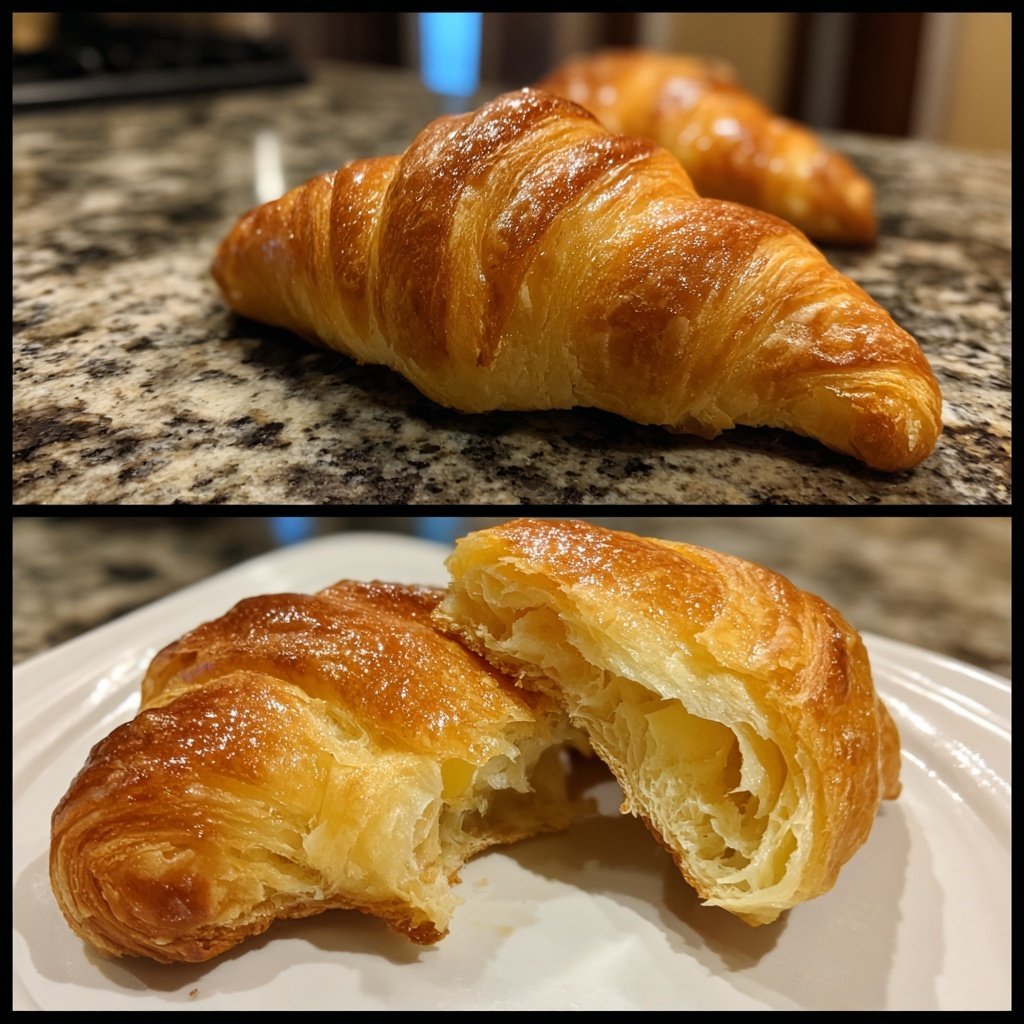
After many trials, I discovered that using high-quality butter makes a significant difference in the flavor and texture of croissants. The rich, creamy foundation of the butter infuses every layer, resulting in an indulgent treat that simply melts in your mouth. I also learned that letting the dough rest adequately between folds helps develop the layers better.
One of my best tips is to ensure your ingredients, especially the butter and water, are cold. This keeps the butter solid while rolling, creating those beautiful layers that we all love. Each bite should be light and airy, with a crisp exterior – follow these steps, and you’ll be well on your way!
You Will Love These Croissants Because...
- The heavenly buttery aroma that fills your kitchen while baking.
- The satisfaction of pulling apart those flaky layers with each bite.
- They are perfect for breakfast, brunch, or as a decadent treat any time of the day.
The Importance of Proper Temperature
When making croissants, temperature control is key to achieving that perfect flaky texture. The butter must remain cold throughout the process. If it becomes too warm, it can blend into the dough instead of creating distinct layers. You can chill the butter by wrapping it in plastic wrap and placing it in the freezer for about 15 minutes before use. This ensures your butter stays firm, allowing it to create those beautiful, airy layers when baked.
Additionally, when you're incorporating the ingredients, it's crucial that your water is cold. Using cold water not only helps keep the butter solid, but it also acts to slow down the yeast activation. This is essential because you want the dough to develop its strength gradually without over-proofing before you start the folding process.
Understanding the Folding Technique
The rolling and folding technique, known as 'lamination', is what gives croissants their famous layers. Each time you fold the dough, you're incorporating more layers of butter. Aim for a total of three folds, with a 30-minute chill period between each. This resting time allows the gluten to relax, which prevents the dough from springing back while rolling it out, making the process smoother and easier.
During the rolling process, keep your surface lightly floured to prevent sticking, but don’t overdo it, as too much flour can create a tough texture. After rolling out, visually check that the dough is even and smooth; it should be about 1/4 inch thick. This thickness is pivotal to ensure that you achieve the ideal rise and texture once baked.
Perfecting the Bake
For the best results, use an oven thermometer to ensure your oven is at the correct temperature, as home ovens can often be off. Preheat it to 400°F (200°C) and place the croissants on the center rack for even baking. Look for golden-brown edges and an internal temperature of 190°F (88°C) to confirm they're done. Keep an eye on them in the last few minutes to prevent over-browning.
To achieve a glossy finish, applying an egg wash before baking is essential. Whisking the egg and milk together not only provides that rich color but also enhances the croissants' overall sheen. If you ever find your croissants are not rising as expected, this could be due to overly warm dough or a lack of steam in the oven. Consider placing a shallow pan of water at the bottom of the oven during baking to help produce steam.
Ingredients
Gather these ingredients before you start baking your croissants:
For the Dough
- 4 cups all-purpose flour
- 1/4 cup granulated sugar
- 2 1/4 teaspoons instant yeast
- 1 teaspoon salt
- 1 1/4 cups unsalted butter, cold and cubed
- 1 1/2 cups cold water
For the Egg Wash
- 1 large egg
- 1 tablespoon milk
Once you have gathered all the ingredients, you are ready to start mixing and rolling!
Instructions
Follow these detailed steps to create your own homemade croissants:
Mix the Dough
In a large bowl, mix together the flour, sugar, yeast, and salt. Gradually add the cold water until a shaggy dough forms. Knead until smooth, about 5 minutes.
Incorporate the Butter
Roll out the dough into a rectangle, place cold cubed butter in the center, and fold the dough over to encase the butter completely. Seal the edges.
Roll and Fold
Roll the dough into a long rectangle, then fold it into thirds. Repeat this rolling and folding process two more times, ensuring to chill for 30 minutes between each fold.
Shape the Croissants
Roll the dough into a large rectangle one last time, then cut triangles out of the dough. Roll each triangle from the base to the tip to form a croissant shape.
Final Rise
Place the shaped croissants on parchment-lined baking sheets, cover with a towel and let rise for approximately 90 minutes until puffy.
Bake
Preheat the oven to 400°F (200°C). Mix the egg and milk for the egg wash, brush on the croissants, and then bake for 20-25 minutes until golden brown.
Allow the croissants to cool for a few minutes before serving warm with your favorite jam or just enjoy them plain!
Pro Tips
- For best results, make sure to chill your dough and butter thoroughly before rolling out. Also, practice patience during the resting phases
- it makes for the flakiest croissants!
Ingredient Tips and Substitutions
In this recipe, all-purpose flour is the best choice due to its balance of protein content, which helps provide structure. However, if you prefer a lighter texture, you could substitute some of the all-purpose flour with pastry flour; just keep in mind this might affect the dough’s elasticity and structure slightly.
For those seeking a dairy-free version, you can use cold margarine or a vegan butter substitute in place of the unsalted butter. This will still create layers, but the flavor will differ slightly, so consider adding a bit of nutritional yeast to mimic that rich taste.
Make-Ahead and Storage
One fantastic aspect of homemade croissants is that you can prepare the dough in advance. Once you've rolled and folded the dough, you can wrap it tightly in plastic wrap and refrigerate it for up to 24 hours before shaping. This not only saves time but can enhance the flavor as the dough ferments slightly in the fridge.
If you have extras, croissants store well at room temperature for a day or two, but for longer storage, freezing is your best bet. Freeze unbaked shaped croissants on a baking sheet, then transfer them to a freezer bag once solid. They can be baked directly from the freezer; just add a few extra minutes of baking time for that freshly baked experience.
Questions About Recipes
→ Can I use store-bought pastry dough?
Yes, using pre-made dough is a great shortcut, but homemade will give you the best flavor and texture.
→ How do I store leftover croissants?
Store them in an airtight container at room temperature for up to 2 days or freeze them for longer storage.
→ Can I add fillings to the croissants?
Absolutely! You can fill them with chocolate, almond paste, or ham and cheese before rolling them up.
→ What should I do if my dough is too sticky?
You can sprinkle a little more flour while kneading, but be careful not to add too much to keep the dough light.
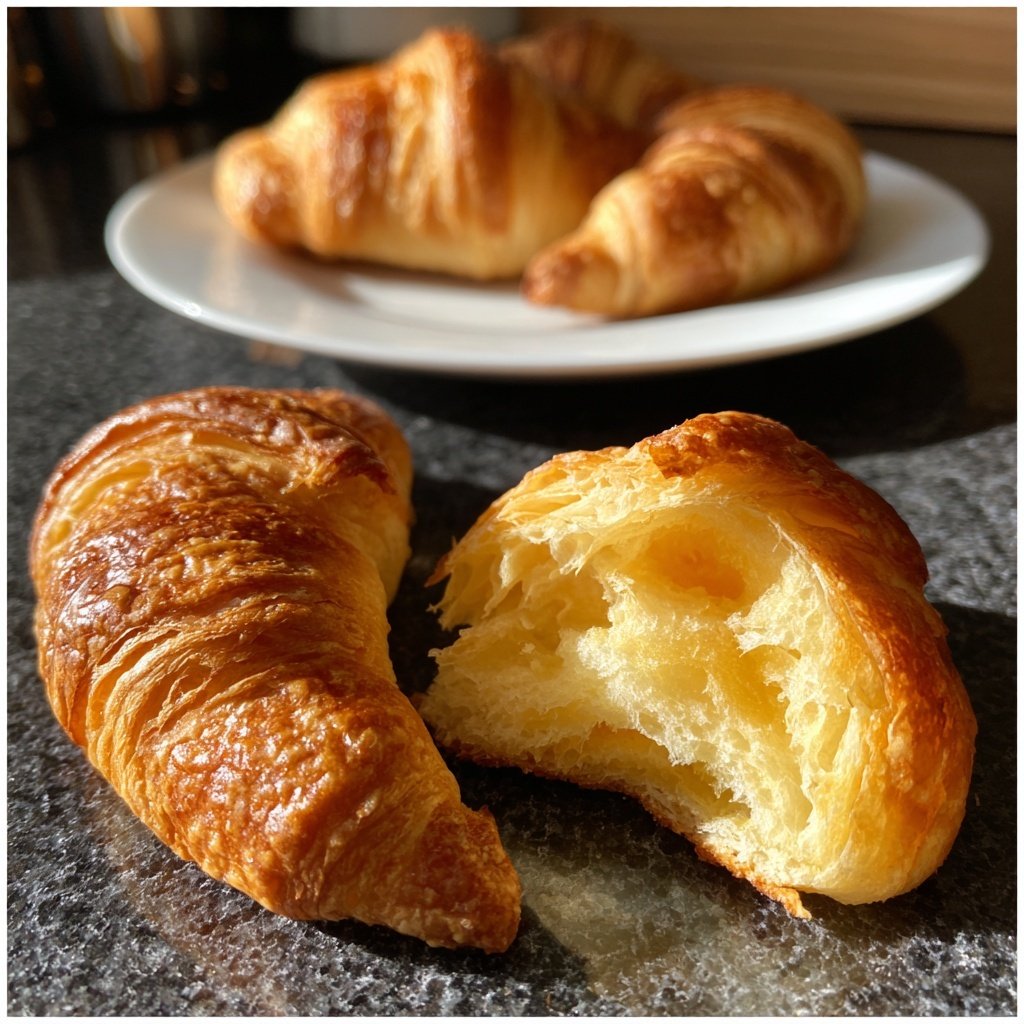
Buttery Homemade Croissants
Created by: Tabitha Collins
Recipe Type: Classic Baking Ideas
Skill Level: Intermediate
Final Quantity: 12 croissants
What You'll Need
For the Dough
- 4 cups all-purpose flour
- 1/4 cup granulated sugar
- 2 1/4 teaspoons instant yeast
- 1 teaspoon salt
- 1 1/4 cups unsalted butter, cold and cubed
- 1 1/2 cups cold water
For the Egg Wash
- 1 large egg
- 1 tablespoon milk
How-To Steps
In a large bowl, mix together the flour, sugar, yeast, and salt. Gradually add the cold water until a shaggy dough forms. Knead until smooth, about 5 minutes.
Roll out the dough into a rectangle, place cold cubed butter in the center, and fold the dough over to encase the butter completely. Seal the edges.
Roll the dough into a long rectangle, then fold it into thirds. Repeat this rolling and folding process two more times, ensuring to chill for 30 minutes between each fold.
Roll the dough into a large rectangle one last time, then cut triangles out of the dough. Roll each triangle from the base to the tip to form a croissant shape.
Place the shaped croissants on parchment-lined baking sheets, cover with a towel and let rise for approximately 90 minutes until puffy.
Preheat the oven to 400°F (200°C). Mix the egg and milk for the egg wash, brush on the croissants, and then bake for 20-25 minutes until golden brown.
Extra Tips
- For best results, make sure to chill your dough and butter thoroughly before rolling out. Also, practice patience during the resting phases
- it makes for the flakiest croissants!
Nutritional Breakdown (Per Serving)
- Calories: 290 kcal
- Total Fat: 17g
- Saturated Fat: 10g
- Cholesterol: 90mg
- Sodium: 190mg
- Total Carbohydrates: 28g
- Dietary Fiber: 1g
- Sugars: 1g
- Protein: 6g