Korean Bibimbap
Highlighted under: Modern World Food Ideas
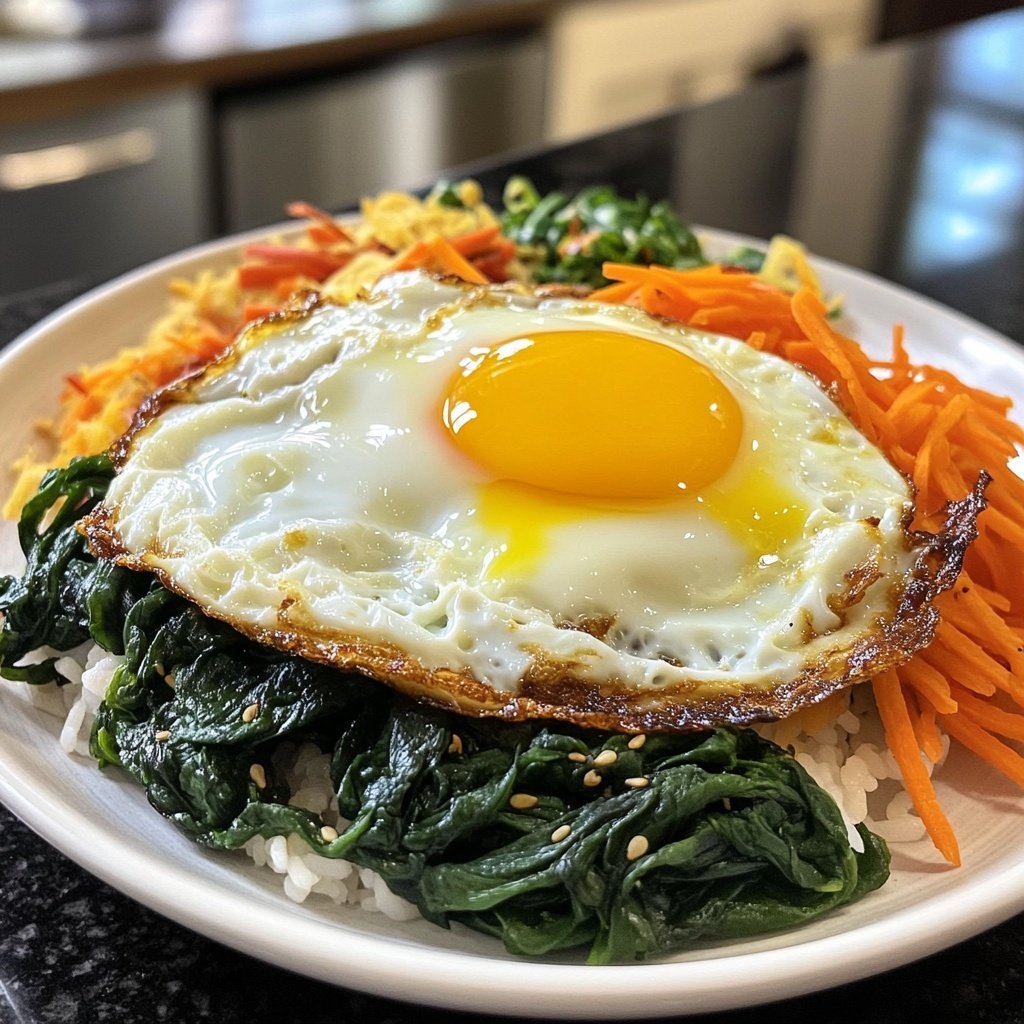
Korean Bibimbap is a vibrant and colorful dish that combines rice with a variety of vegetables, meat, and a spicy sauce, all beautifully arranged in a bowl.

Korean Bibimbap is not just a meal; it’s a colorful representation of Korean culture. Each ingredient is chosen for its flavor and health benefits, making it a nourishing and satisfying dish.
Why You'll Love This Recipe
- A delightful mix of textures and flavors in every bite
- Customizable with your favorite vegetables and proteins
- A beautiful presentation that impresses at any dinner table
The History of Bibimbap
Bibimbap, which translates to 'mixed rice,' has its roots in Korean history, dating back to the late 19th century. It was traditionally a dish for the royal family, showcasing the abundance of seasonal ingredients available in Korea. The colorful presentation reflects the beauty of nature and the importance of balance in Korean cuisine. Over the years, bibimbap has evolved, with regional variations incorporating local ingredients and flavors, making it a beloved dish across the globe.
This dish is not only a feast for the eyes but also a wholesome meal, packed with nutrients from a variety of vegetables and protein. The combination of textures—from the crunchy vegetables to the tender meat—makes each bite a delightful experience. Bibimbap is often enjoyed during festive occasions, symbolizing harmony and prosperity.
Health Benefits of Bibimbap
Korean Bibimbap is a nutritionally balanced meal, rich in vitamins, minerals, and protein. The assortment of vegetables provides essential nutrients, while the protein source—be it beef or tofu—offers a satisfying and filling element. Additionally, the inclusion of gochujang adds flavor without excessive calories, making it a guilt-free indulgence.
Moreover, bibimbap can be easily adapted to suit various dietary preferences. Vegetarians can opt for tofu or skip the protein altogether, while those seeking a low-carb option can substitute the rice with cauliflower rice. This versatility allows everyone to enjoy a delicious, health-conscious meal that aligns with their lifestyle.
Serving Suggestions
To elevate your bibimbap experience, consider pairing it with traditional Korean side dishes, known as banchan. Kimchi, pickled vegetables, and seasoned seaweed complement the flavors of bibimbap beautifully, adding depth and variety to your meal. These sides not only enhance the dining experience but also provide additional health benefits.
Serving bibimbap in individual bowls allows for a personalized touch, making it perfect for family gatherings or dinner parties. Encourage your guests to mix their bibimbap to their liking, creating a fun and interactive dining experience. The vibrant colors and diverse flavors will surely impress and satisfy everyone at the table.
Ingredients
Gather all the fresh ingredients for a delicious Bibimbap!
Ingredients
- 2 cups of cooked white rice
- 1 cup of spinach, blanched
- 1 cup of bean sprouts, blanched
- 1 cup of carrots, julienned
- 1 cup of zucchini, julienned
- 1 cup of shiitake mushrooms, sliced
- 200g of ground beef or tofu
- 4 sunny-side-up eggs
- 2 tablespoons of soy sauce
- 2 tablespoons of gochujang (Korean chili paste)
- 1 tablespoon of sesame oil
- Sesame seeds for garnish
- Green onions, chopped for garnish
Now that you have all your ingredients, let’s prepare the Bibimbap!
Instructions
Follow these steps to create a delicious bowl of Bibimbap!
Prepare the Vegetables
In a pan, sauté each vegetable individually with a little sesame oil until tender. Season with salt to taste.
Cook the Meat
In the same pan, cook the ground beef or tofu until browned. Add soy sauce and stir well.
Assemble the Bibimbap
In a large bowl, place the cooked rice at the bottom. Arrange the sautéed vegetables and meat on top in sections.
Add the Egg
Top with a sunny-side-up egg and a drizzle of gochujang. Garnish with sesame seeds and chopped green onions.
Mix everything together before eating to enjoy all the flavors!
Pro Tips
- Feel free to customize your Bibimbap with seasonal vegetables or your choice of protein. For a vegetarian version, replace the meat with extra tofu or mushrooms.
Tips for Perfect Bibimbap
For the best flavor, use fresh, seasonal vegetables. Not only do they taste better, but they also enhance the visual appeal of your dish. If you can, visit a local farmer's market to find the freshest produce available. Each vegetable should be cooked just enough to retain its texture and color, ensuring a beautiful presentation.
When cooking the rice, consider using short-grain rice, which is stickier and will hold up better when mixed with the other ingredients. Rinsing the rice before cooking helps remove excess starch, resulting in a fluffier texture. Allow it to cool slightly before assembling your bibimbap to prevent the vegetables from wilting.
Storing Leftovers
If you have leftovers, bibimbap can be easily stored in the refrigerator for up to three days. To reheat, simply warm the rice and vegetables in a pan over low heat, adding a splash of water to prevent drying out. For best results, reheat the sunny-side-up egg separately to maintain its texture.
You can also create a delicious bibimbap-inspired stir-fry with any leftover ingredients. Just toss everything in a pan with a bit of sesame oil and a splash of soy sauce for a quick and flavorful meal. This way, you can enjoy the deliciousness of bibimbap even after the initial meal!
Questions About Recipes
→ Can I make Bibimbap ahead of time?
Yes, you can prepare the individual components in advance and assemble them just before serving.
→ Is Bibimbap spicy?
The level of spiciness depends on the amount of gochujang you use. You can adjust it to your preference.
→ Can I use brown rice instead of white rice?
Absolutely! Brown rice adds a nuttier flavor and is a healthier option.
→ What other ingredients can I add?
You can add any vegetables you like, such as bell peppers or radishes, and even fruits like avocado for a twist!
Korean Bibimbap
Created by: Tabitha Collins
Recipe Type: Modern World Food Ideas
Skill Level: Intermediate
Final Quantity: 4 servings
What You'll Need
Ingredients
- 2 cups of cooked white rice
- 1 cup of spinach, blanched
- 1 cup of bean sprouts, blanched
- 1 cup of carrots, julienned
- 1 cup of zucchini, julienned
- 1 cup of shiitake mushrooms, sliced
- 200g of ground beef or tofu
- 4 sunny-side-up eggs
- 2 tablespoons of soy sauce
- 2 tablespoons of gochujang (Korean chili paste)
- 1 tablespoon of sesame oil
- Sesame seeds for garnish
- Green onions, chopped for garnish
How-To Steps
In a pan, sauté each vegetable individually with a little sesame oil until tender. Season with salt to taste.
In the same pan, cook the ground beef or tofu until browned. Add soy sauce and stir well.
In a large bowl, place the cooked rice at the bottom. Arrange the sautéed vegetables and meat on top in sections.
Top with a sunny-side-up egg and a drizzle of gochujang. Garnish with sesame seeds and chopped green onions.
Extra Tips
- Feel free to customize your Bibimbap with seasonal vegetables or your choice of protein. For a vegetarian version, replace the meat with extra tofu or mushrooms.
Nutritional Breakdown (Per Serving)
- Calories: 500 kcal
- Total Fat: 20g
- Saturated Fat: 5g
- Cholesterol: 186mg
- Sodium: 700mg
- Total Carbohydrates: 66g
- Dietary Fiber: 5g
- Sugars: 5g
- Protein: 20g